Plate Model - The Optimal Distribution of Nutrients
The fascinating topic of nutrition consistently sparks lively discussions and a wide range of opinions. With so many different diets and ever-changing food trends, it’s no surprise that it’s easy to lose track of it all. But what does it actually mean to eat truly healthy? 🥗
A balanced meal consists of half vegetables and fruits, along with a healthy source of carbohydrates and protein. Also, use healthy fats and oils, and drink enough water.
The Role of Macronutrients
Our main energy sources are:
Proteins: essential building blocks that the body cannot produce on its own.
Fats: important for hormones, cell structures, and as an energy reserve.
Carbohydrates: The main source of energy; dietary fiber also aids digestion.
Tips and Tricks
Satisfy your natural hunger—don’t go on a diet!
Eat 1 to a maximum of 2 grams of protein per kilogram of body weight each day.
Aim for 20 grams of fiber per 1,000 kcal each day.
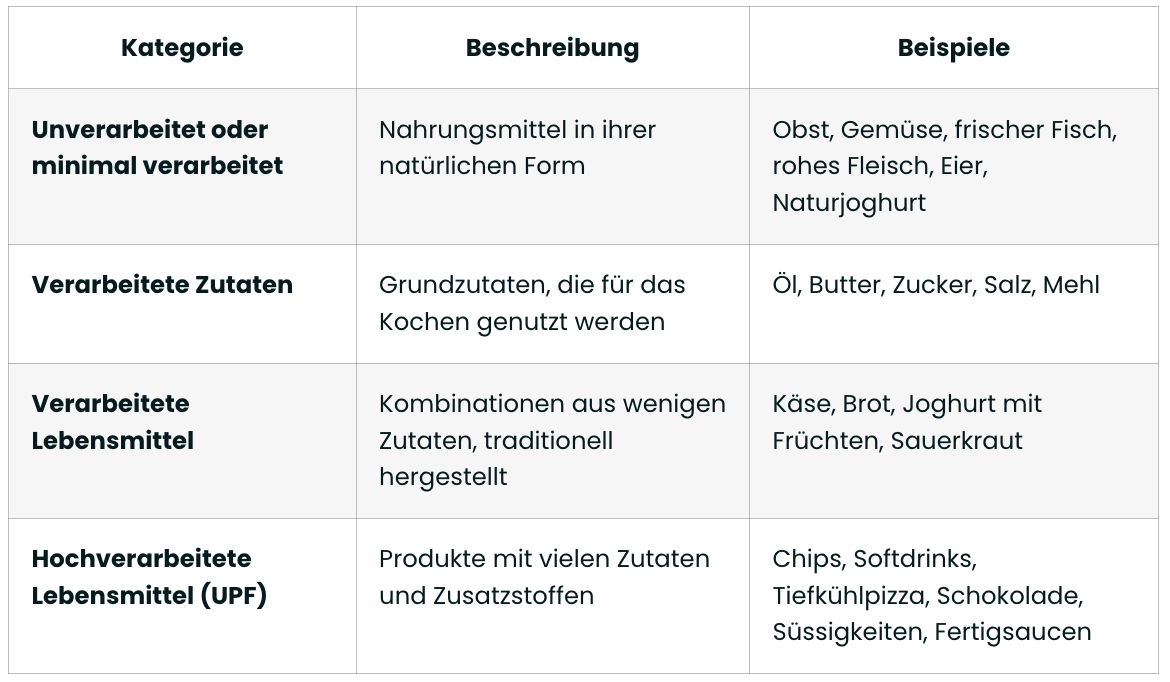
Eat foods that are minimally processed.
When it comes to snacks, opt for healthy fats, protein, and fiber.
Recording
Don’t ask yourself what you need to leave out, but rather what you can add to your plate. Adding things is generally easier than leaving them out.
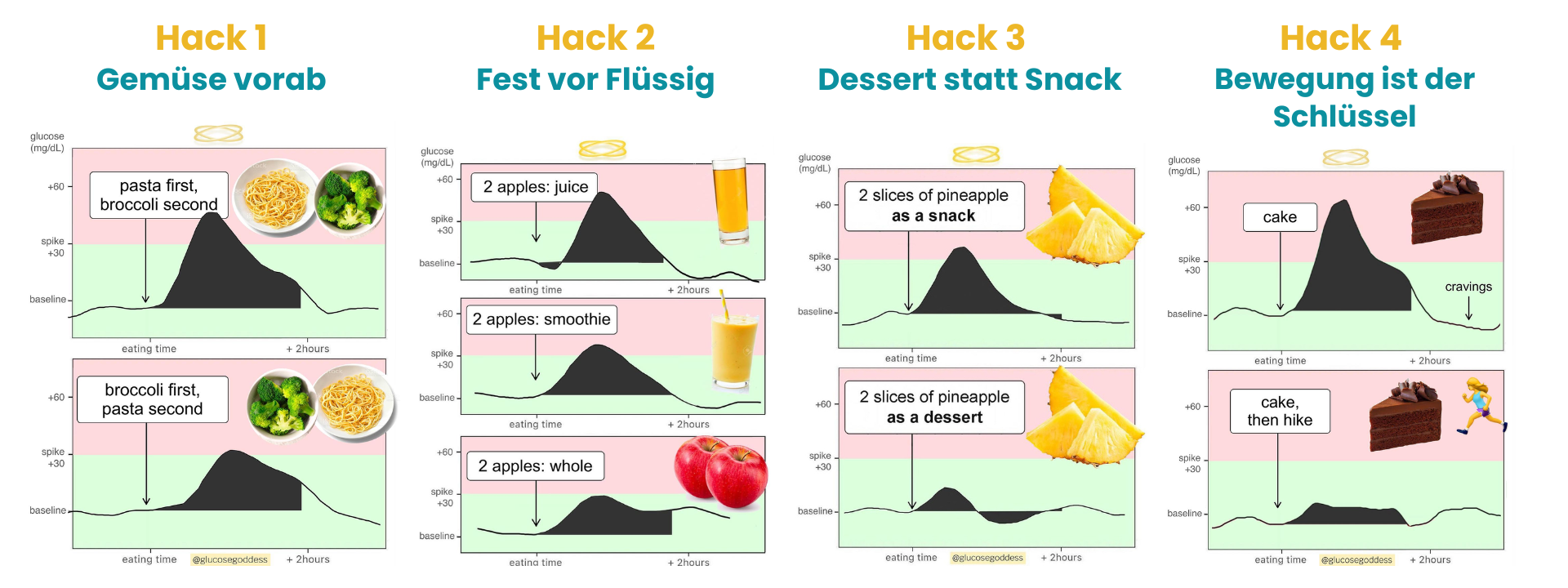
When we eat carbohydrate-rich foods such as pasta, bread, or sweets, our blood sugar levels rise. The body responds by releasing insulin so that glucose (sugar) can move from the blood into the cells.
However, if blood sugar levels spike frequently, this is followed by equally sharp spikes in insulin. This can lead to energy crashes, food cravings, and, in the long term, an increase in belly fat.
Glucose is the body’s most important source of energy—much like coal is for a steam locomotive. Our brain, muscles, and immune system all depend on it. Glucose is found in all foods that contain carbohydrates: from fruits and vegetables to pasta and rice.
Depending on the type of carbohydrate, blood sugar levels rise at different rates:
Highly processed or liquid carbohydrates cause blood sugar levels to rise rapidly.
Natural and complex carbohydrates are broken down more slowly and provide a more steady supply of energy.
Frequent blood sugar spikes can lead to:
Cravings
Fatigue & Slumps in Performance
Acne-Prone Skin
Digestive problems
Weakened immune system
Mood swings
A balanced diet helps keep blood sugar levels stable—and thus promotes energy, concentration, and well-being.
Recording
Keep your blood sugar levels stable. - Tips for managing blood sugar
Whole foods are rich in protein and fiber —and cause blood sugar levels to rise more slowly. This ensures a more steady supply of energy and greater satiety.
However, many everyday staple foods are more processed than you might think:
Bread & Pasta: White flour contains only the starchy part of the grain—dietary fiber, vitamins, and proteins are lost. The result: rapid spikes in blood sugar and fewer nutrients.
Rice: Polished (white) rice loses its nutrient-rich husk during processing. Brown rice has a significantly more beneficial effect on blood sugar levels.
Corn & Potatoes: Although unprocessed, they are often particularly high in starch. They provide a lot of energy, which isn’t always necessary.
Ultra-processed foods
About a quarter of the food purchased in Switzerland is considered highly processed. This includes, among other things:
Ready-to-eat products, snacks, and bars
Sausages and Ham
Sweetened beverages and breakfast cereals
Baked Goods and Confectionery
These products are generally low in nutrients, high in calories, and contain additives such as flavor enhancers or food coloring. High consumption is associated with health risks and weight gain.
Basic rule: Anything you couldn’t make yourself in a typical kitchen is considered a highly processed food.
The Nutrition Check provides clarity!
Every day, we eat various meals and snacks and drink water, fruit juices, etc. But just how healthy is your diet, really?
Are you getting enough nutrients?
What is the recommended ratio of protein, fat, and carbohydrates?
What should I eat to lose weight?
We’ll analyze these and many other personalized questions with you during the Nutrition Check. You can easily and conveniently track your diet and discuss simple changes with one of our qualified Personal Health Coaches.